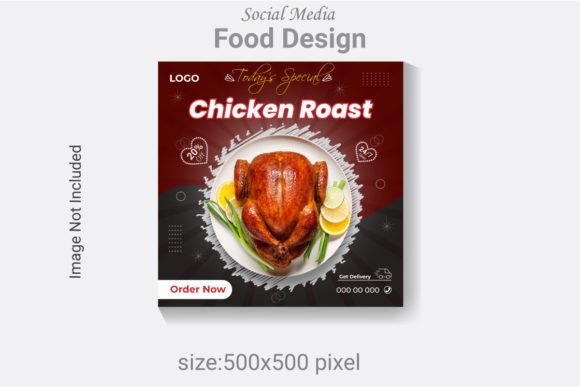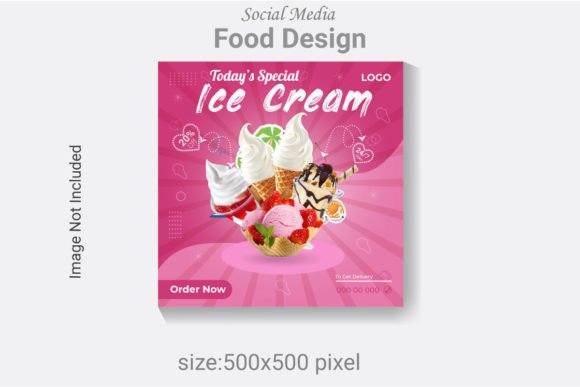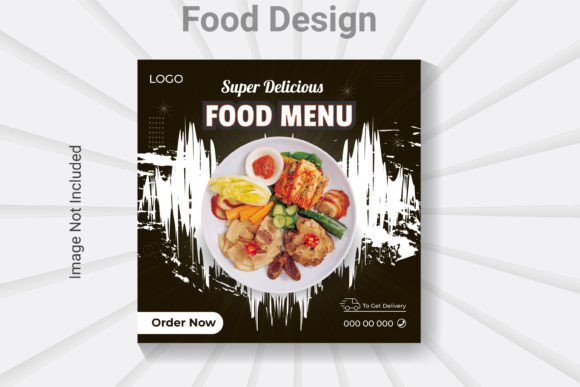
Social Media Food Menu Banner Template: The Ultimate Design Asset
Why Your Food Brand Needs This Specific Template
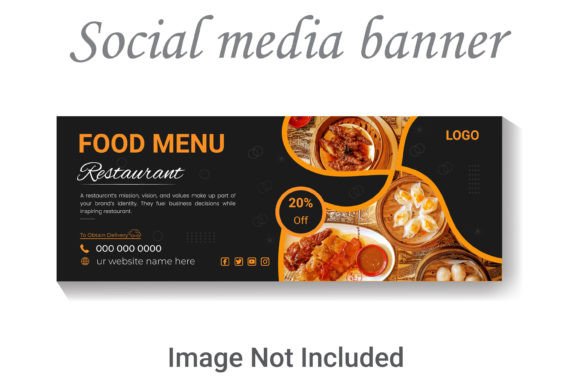
In the competitive landscape of digital dining, first impressions are everything. You have approximately three seconds to stop a user from scrolling past your content on Instagram or Facebook. For restaurants, cafes, and food bloggers, the Social Media Food Menu Banner Template is not just a design file; it is a conversion tool. Designed specifically for the standard social media graphics requirement of 851x315 pixels, this asset solves the persistent headache of aspect ratios. It fits perfectly into the Facebook cover photo slot or the top banner of a blog, ensuring your visual hierarchy is maintained without awkward cropping. The personality of this template is one of professional efficiency mixed with culinary flair. It balances negative space with areas designated for high-impact imagery, creating a visual style that feels organized, appetizing, and ready for immediate deployment.
Technical Precision Meets Creative Flexibility
One of the most critical aspects of design assets is their technical foundation. This template is built on a foundation of 300 DPI resolution in RGB color mode. While 72 DPI is standard for web, 300 DPI ensures that if you ever need to repurpose this banner template for a small print advertisement or a high-resolution digital display, the text and vector shapes will remain razor-sharp. The RGB color gamut offers a wider range of vibrant colors compared to CMYK, which is essential for food photography where reds, greens, and yellows need to pop off the screen to stimulate appetite. The visual appeal lies in its "well-layered" architecture. This isn't a flat image; it is a structured file where every element is isolated, allowing you to adjust the opacity, color, and position of individual components without breaking the overall design integrity.
Mastering the AI and EPS File Formats
The package includes an Ai file and an EPS file, which are the gold standards for vector graphics. For the uninitiated, vector graphics are mathematical equations rather than pixels, meaning you can scale this template to the size of a billboard without losing quality. The requirement of Adobe Illustrator CS6 or above ensures compatibility with modern features like the Image Trace panel and advanced gradient tools. Because the text, fonts, and colors are fully editable, you have total control over your brand identity. If your restaurant uses a specific hex code for its branding, you can apply it globally through the organized layer structure. This level of organization saves hours of production time, allowing you to focus on the content rather than the mechanics of the software.
Strategic Applications: From Menus to Marketing
The utility of the Social Media Food Menu Banner Template extends far beyond a simple Facebook cover. In the realm of digital marketing, consistency is key. This template serves as a cornerstone for your visual identity. You can use it to announce a "Happy Hour" special, launch a new seasonal menu, or highlight a specific chef’s dish. For entrepreneurs and small business owners, this template acts as a quick-turnaround solution for time-sensitive promotions. Instead of hiring a designer for every weekly special, you can edit this file, swap out the background image (noting that the image itself is not included, which gives you the freedom to use your own high-quality proprietary photos), and publish within minutes.
Optimizing Visual Hierarchy and Readability
A common pitfall in graphic design is clutter. The structure of this banner template guides the eye naturally. By utilizing the pre-defined text areas, you ensure that your typography remains legible against the background. This is where the choice of typeface becomes crucial. While the template comes with editable text, you should consider pairing it with a sans serif font for body copy to ensure maximum readability on mobile devices, or a serif font for a more upscale, fine-dining aesthetic. The template’s layout supports modern typography trends, allowing you to mix a bold display font for the header with a lighter weight for the details. This creates a visual hierarchy that tells the viewer exactly where to look first, second, and third.
Customization and Brand Consistency
For marketers and content creators, the ability to maintain brand consistency across multiple platforms is non-negotiable. Because this is an organized vector file, you can easily adapt it. Perhaps you need a version for Twitter (now X) with slightly different dimensions, or a vertical version for Instagram Stories. The well-layered nature of the EPS and AI files allows you to rearrange elements to fit these different formats without starting from scratch. This adaptability makes it a premium asset. You can experiment with font pairings—perhaps a script font for a bakery logo to add a personal touch, or a clean modern typography style for a fast-casual chain. The file supports these creative explorations without technical limitations.
Practical Workflow Tips for Designers
When you open the file in Illustrator, take a moment to review the layer structure. Rename layers if necessary to match your project's naming conventions. Since the free font used is noted in the file, you will need to install it to ensure the text renders correctly before you swap it out for your own premium font choices. If you are working with a packaging design concept or editorial design, consider using the color palette from this banner to inform your other materials. This creates a cohesive ecosystem. For example, if the banner uses a specific shade of green to highlight "Vegan Options," use that same green in your web design buttons or printed flyers. This cross-pollination of design elements strengthens your overall brand identity and makes your marketing efforts look synchronized and professional.
Final Thoughts on Utility and Value
Ultimately, the Social Media Food Menu Banner Template is about removing friction from the creative process. It provides a solid, professional starting point that respects the technical requirements of high-end digital design (300 DPI, RGB, Vector) while offering the flexibility required by the fast-paced food industry. Whether you are a hobbyist running a food blog, a publisher creating a digital cookbook cover, or a graphic designer working for a client, this asset streamlines your workflow. It allows you to focus on what matters most: the food. By combining this structured template with your own photography and brand voice, you create a powerful visual tool that engages your audience and drives real-world results.